July 3, 2026
How Georgetown and Austin-area homeowners can improve comfort, reduce solar heat gain, and know when glass-only replacement may be the right solution.
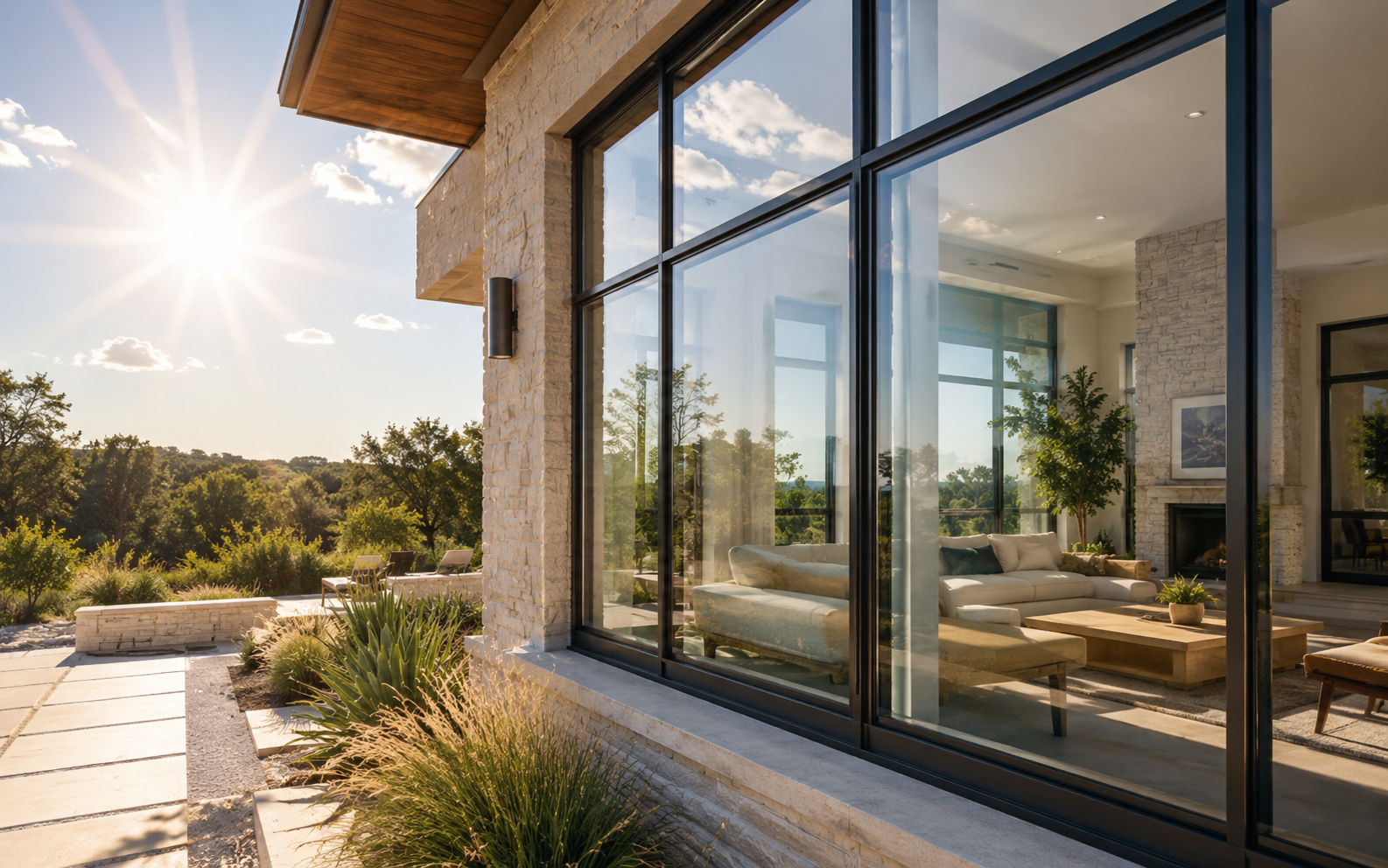
Texas heat can make certain rooms in your home feel impossible to cool—especially rooms with large windows, older glass, west-facing exposure, or direct afternoon sun.
If your home in Georgetown, Cedar Park, Leander, Round Rock, Austin, Steiner Ranch, West Lake Hills, Hutto, Lakeway, Bee Cave, or Pflugerville feels hotter near the windows, the glass itself may be part of the problem.
The good news is that improving window performance does not always mean replacing every window in your home. In many cases, replacing damaged, outdated, or failed glass may be a practical option when the existing frames are still in good condition.
Two terms homeowners hear often are Low-E glass and double-pane glass. They are related, but they are not the same thing—and in many Central Texas homes, the best solution may include both.
Low-E Glass vs. Double-Pane Glass: What Is the Difference?
A double-pane window has two pieces of glass separated by a spacer, creating an insulated glass unit. That separation helps reduce heat transfer compared with older single-pane glass.
Low-E, or low-emissivity, glass has a thin coating designed to help manage radiant heat transfer and solar heat gain while still allowing natural light into the home. Low-E coatings can improve a window’s U-factor and help control how much solar heat and daylight move through the glass.
Put simply:
Double-pane glass adds insulation by using two panes of glass separated by a sealed space, making it a strong option for older single-pane windows, improved comfort, and reduced heat transfer.
Low-E glass uses a specialized coating to help reflect radiant heat and manage solar heat gain, which can be especially helpful in hot, sunny climates and rooms with direct afternoon sunlight. Low-E double-pane glass combines the insulation benefits of double-pane construction with added solar heat control, making it a practical choice for many Texas homeowners looking to improve comfort and energy efficiency.
These options are not competitors—depending on your existing window system, sun exposure, frame condition, and goals for your home, double-pane glass with a Low-E coating may be the best fit.
Why Window Glass Matters in Texas Heat
Windows let in daylight, but they can also allow a significant amount of heat into the home.
That is especially noticeable on south- and west-facing windows during long, hot Texas afternoons.
For warm climates, the U.S. Department of Energy recommends considering window coatings that reduce heat gain. A lower Solar Heat Gain Coefficient, or SHGC, generally means the window allows less solar heat through the glass.
That does not mean every home needs the darkest or lowest-SHGC glass available. The right choice depends on factors such as:
- Which direction the windows face
- How much direct afternoon sun the room receives
- Existing shade from trees, porches, awnings, or window coverings
- Whether the current glass is single-pane, double-pane, or fogged
- The condition of the frame, seals, locks, and hardware
- Whether the homeowner wants more daylight, more privacy, or better heat control
A qualified window glass professional should look at the full picture instead of recommending the same glass package for every room.
What Do U-Factor and SHGC Mean?
You may see these terms on a window label, estimate, or product specification.
U-Factor
U-factor measures how easily heat moves through a window. In general, a lower U-factor means better resistance to non-solar heat flow.
For homeowners, this matters because better-performing glass can help a room feel more consistent and comfortable throughout the year.
Solar Heat Gain Coefficient (SHGC)
SHGC measures how much solar radiation enters through a window and becomes heat inside the home. A lower SHGC means less solar heat passes through the glass.
In Central Texas, SHGC can be particularly important for windows that get long stretches of direct sunlight.
Signs Your Window Glass May Be Working Against You
Not every warm room means you need new windows. But these signs are worth paying attention to:
- Rooms that feel noticeably hotter near the windows
- Glass that feels hot to the touch in the afternoon
- Fading floors, furniture, or artwork near windows
- Drafts or uneven temperatures around window openings
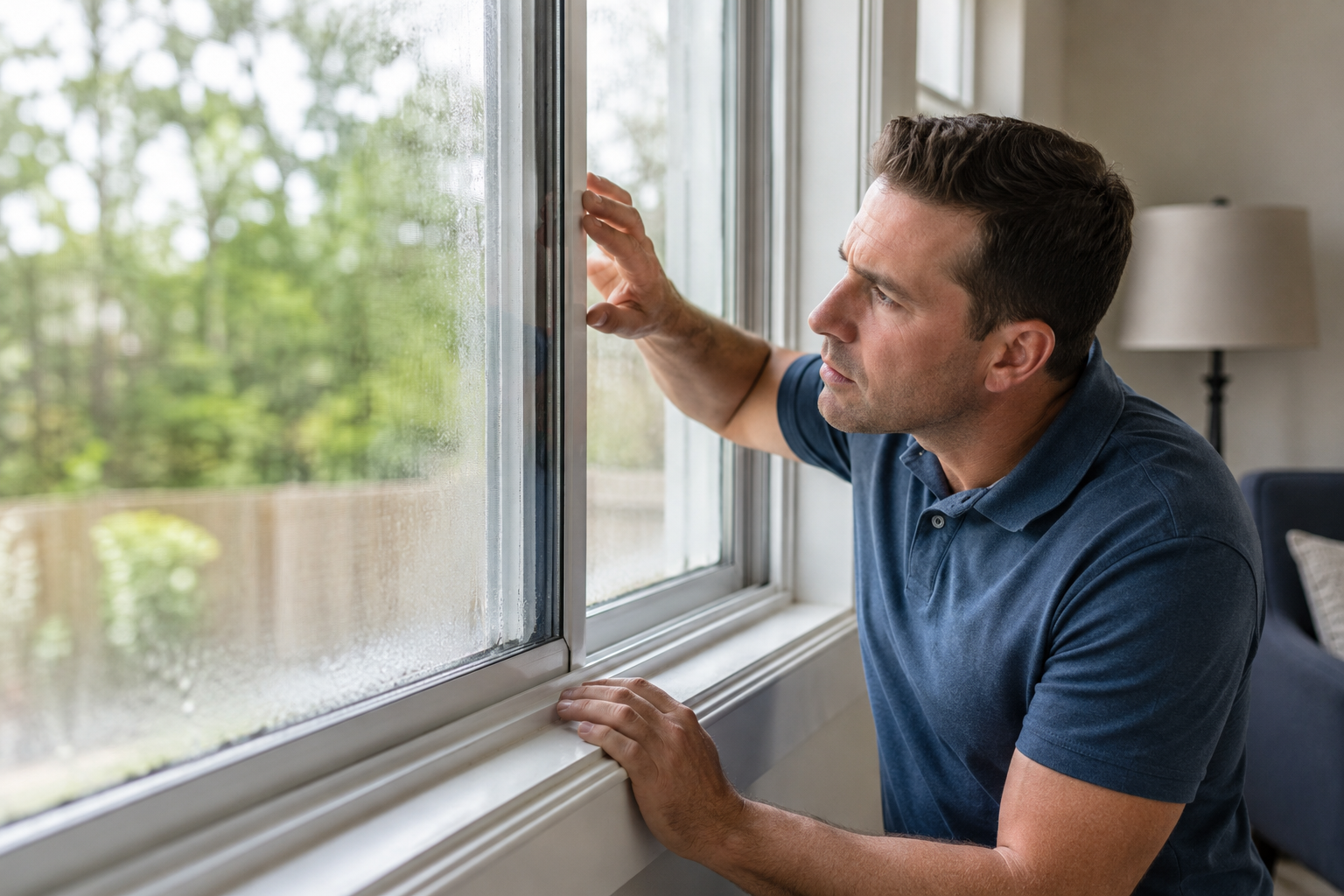
- Moisture or haze between double-pane glass
- Cracked, chipped, or damaged panes
- Windows that are difficult to open, close, or lock
- Higher cooling demand during the summer months
Fogging between panes is especially important. It can be a sign of a failed insulated-glass seal, which allows moisture to get trapped between the pieces of glass. In many situations, fogged window replacement or seal failure replacement may be possible without replacing the entire window frame.
Can You Replace Just the Glass Instead of the Entire Window?
Sometimes, yes.
If the window frame is structurally sound and the window still operates properly, replacing the glass may be a more efficient option than replacing the complete window unit.
Glass-only replacement may make sense when:
- The glass is fogged due to seal failure
- One pane is cracked or broken
- The frame is still in good condition
- The window locks and opens correctly
- The homeowner wants to upgrade to more energy-efficient glass
Full window replacement may be worth considering when there is major frame damage, water intrusion around the opening, severe deterioration, repeated operating problems, or a window system that can no longer support a reliable repair.
At Shane’s Panes, the goal is to give homeowners clear options—not push a replacement when a targeted repair or glass replacement may be the better fit.
What Our Team Looks for During a Window Glass Inspection
A proper recommendation should start with more than a quick look at the glass.
When evaluating a residential window, the Shane’s Panes team considers:
- Whether the glass is cracked, fogged, chipped, or failed
- The condition of the frame and surrounding components
- Whether the existing window opens, closes, locks, and seals properly
- Whether the glazing bead or vinyl components need attention
- The location of the window and its sun exposure
- Whether a custom glass size, tempered safety glass, or specialty option is needed
- Whether an energy-efficient upgrade is practical for the window system
This approach helps homeowners understand what they are paying for and why a specific recommendation makes sense for their home.
Is Low-E Glass Worth It for Texas Homes?
For many homeowners, Low-E glass is worth considering because Texas homes deal with intense sunlight and high cooling demand for much of the year.
Low-E glass can be especially helpful for:
- West-facing living rooms
- Bedrooms that receive afternoon sun
- Large picture windows
- Homes with older clear glass
- Windows with failed double-pane seals
- Rooms that stay uncomfortable even when the HVAC system is running
The U.S. Department of Energy notes that low-E coatings can be designed for different levels of solar gain, and windows in warmer climates benefit from coatings that reduce heat gain.
The key is choosing the right glass for the actual conditions around your home—not just choosing a label that sounds more efficient.
Frequently Asked Questions About Energy-Efficient Window Glass
Will Low-E glass make my home too dark?
Not necessarily. Low-E coatings can be designed to manage solar heat gain while still allowing useful daylight through the glass. Visible light transmission varies by product, so it is important to discuss your goals for brightness, privacy, and heat control before choosing glass.
Is double-pane glass enough for a Texas home?
Double-pane glass is a meaningful improvement over older single-pane glass, but adding the right Low-E coating can provide additional solar heat control in hot, sunny conditions.
Can window coverings help with heat?
Yes, shades, blinds, curtains, awnings, and exterior shading can help reduce heat exposure, especially on south- and west-facing windows. They work best as part of an overall approach and do not correct failed seals, fogged glass, or damaged panes.
Do foggy windows need a full window replacement?
Not always. Fogging between panes is commonly related to seal failure. Depending on the frame and window condition, replacing the insulated glass unit may be an option.
Energy-Efficient Glass Replacement in Georgetown and the Austin Area
Shane’s Panes provides residential window and glass solutions for homeowners throughout Georgetown, Austin, Cedar Park, Leander, Round Rock, Steiner Ranch, West Lake Hills, Hutto, Lakeway, Bee Cave, Pflugerville, and surrounding Central Texas communities.
Whether you are dealing with fogged windows, cracked glass, seal failure, outdated panes, or rooms that feel too hot in the summer, our family-owned team can help you understand your options.
With clear pricing, free quotes, custom glass options, fast turnaround, and OSHA-certified professionals, Shane’s Panes helps homeowners make informed decisions about their windows—without unnecessary pressure.
Get Clear Answers About Your Window Glass
The best window glass for Texas heat is not always the same for every home. A better solution starts with understanding the condition of your current windows, the direction they face, and what is creating discomfort inside your home.
Contact Shane’s Panes today to request a free quote for energy-efficient residential glass replacement, window pane repair, or fogged glass replacement.